Olive Garden Salad: Ingredients, Dressing, Calories & Nutrition
When you walk into Olive Garden, you’re probably dreaming about creamy pastas or baskets of buttery breadsticks. We all do it. But there’s one dish that keeps showing up at tables, getting refilled without complaint, and quietly stealing the spotlight: the Olive Garden salad.
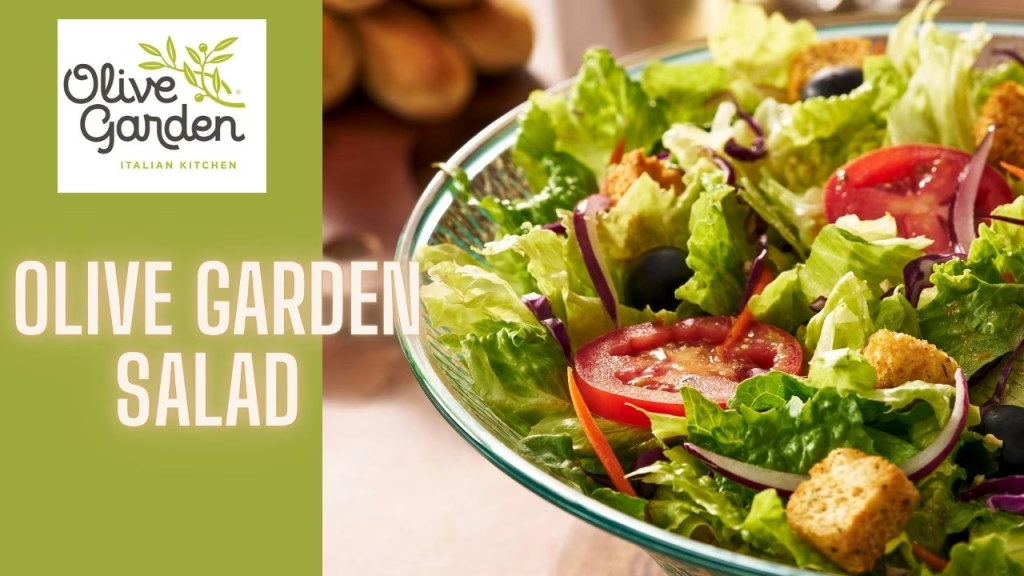
Olive Garden house salad is a standard side served with many entrées and is often searched for its ingredients, dressing style, and calorie content. Users usually want to know what is included in the salad, how the Italian dressing tastes, and how it fits into overall nutrition when paired with pasta or breadsticks. This guide breaks down the olive garden house salad ingredients, dressing components, and basic nutrition details in a simple, factual way. It focuses on what the salad actually contains and why it is commonly paired with Olive Garden meals.
What Is in Olive Garden House Salad?
The olive garden house salad ingredients are consistent across most locations and include a simple mix of fresh vegetables and toppings:
This combination is designed to balance crunch, acidity, and mild sweetness, making it a standard side dish with pasta-based meals. The Italian dressing is a key component that defines the overall flavor profile of the salad.
Olive Garden Salad Dressing (What Makes It Unique)
The olive garden salad dressing ingredients are based on a tangy Italian-style profile that uses an oil-and-vinegar foundation rather than a creamy base. This gives it a sharp, slightly acidic taste that stands out compared to heavier dressings.
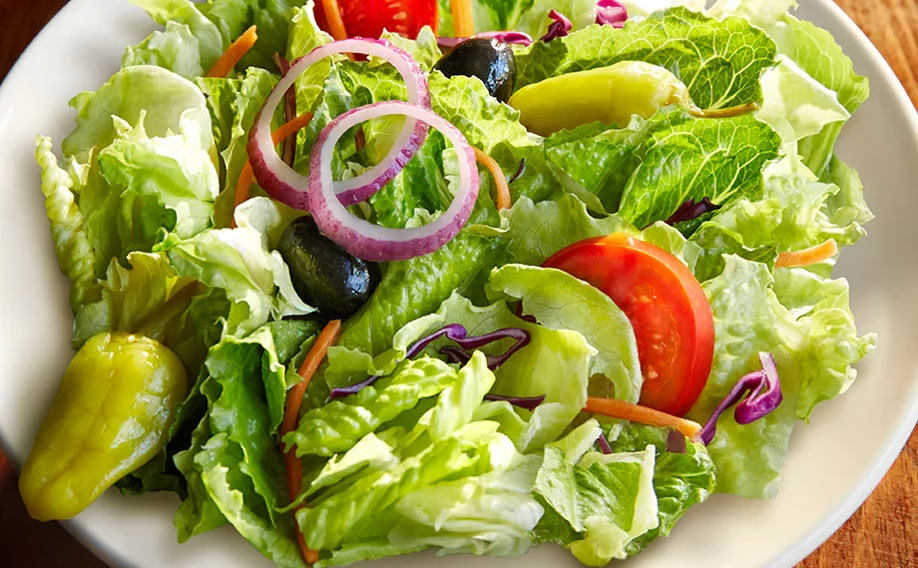
The flavor comes from a mix of herbs, garlic notes, and mild seasoning, creating a balanced olive garden italian dressing style that feels light but still flavorful enough to coat lettuce without overpowering it.
One reason it works so well is its pairing effect — the acidity cuts through rich pasta dishes while complementing soft breadsticks. That contrast is why it’s usually served alongside heavier entrées instead of being eaten alone.
Olive Garden Salad Calories & Nutrition (Simple Breakdown)
The olive garden salad calories vary depending on how much dressing is used. On its own, the vegetable base is relatively low in calories, but the dressing significantly increases the total because of its oil content.
In general, the olive garden salad nutrition facts are shaped more by portion size and dressing quantity than by the vegetables themselves. A light drizzle keeps it a lower-calorie side, while heavier dressing use turns it into a more calorie-dense addition to the meal.
This makes it flexible — it can fit into both lighter eating choices and more indulgent meals depending on how it is served.
Why People Love Olive Garden Salad So Much
The main reason people order the salad is not complexity — it’s consistency and value. At dine-in, the olive garden salad is served with unlimited refills, which makes it function more like a shared starter than a single portion side.
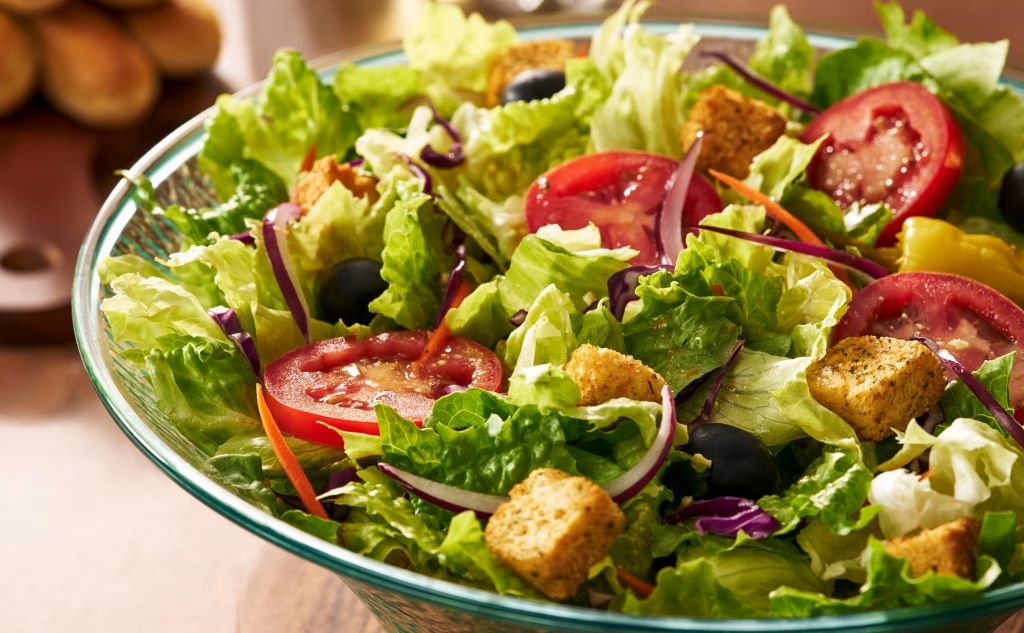
The texture also matters. The lettuce stays cold and crisp, which creates a contrast against hot entrées like pasta or soup.
Another factor is the dressing strength. The tangy Italian-style flavor is intentionally bold, so it holds up even when mixed with heavier dishes.
Finally, it works as a balance item — it’s commonly used alongside rich meals like Alfredo or lasagna to cut through heaviness and reset the palate.
Can You Get Olive Garden Salad To Go?
Yes — you can order olive garden salad to go, but it is not the same as dine-in service.
With olive garden takeout salad, you get a fixed portion instead of unlimited refills. The salad is packaged separately, and the dressing is usually provided on the side so it doesn’t make the greens soggy during transport.
Compared to dine-in, the takeaway version is more controlled in quantity and designed for a single serving rather than ongoing refills.
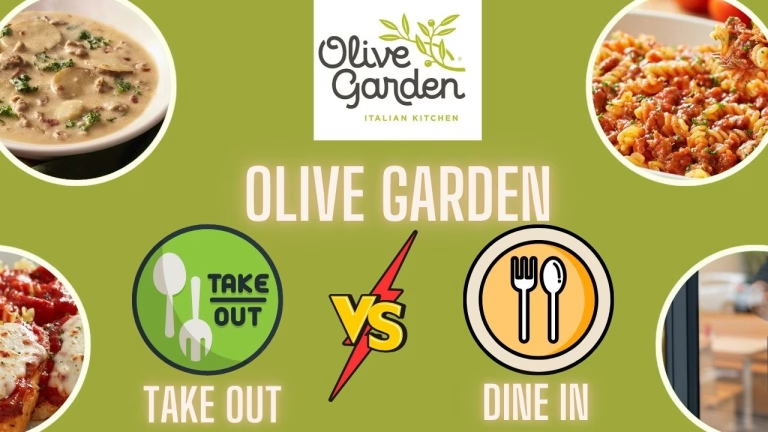
Dine-In vs Takeout Salad Difference
The difference between olive garden salad dine-in and takeout mainly comes down to freshness and serving style.
- Freshness: Dine-in salad is served immediately, keeping lettuce colder and crisper. Takeout salad holds up well but loses some of that restaurant-level texture after packaging.
- Portion control: Dine-in comes as a refillable bowl, while olive garden salad to go is a fixed single portion.
- Dressing mixing: At the table, salad is tossed fresh and adjusted instantly. Takeout dressing is pre-packed or separate, so mixing depends on the customer.
- Refill factor: The biggest difference is unlimited refills in dine-in service, which does not apply to olive garden takeout salad.
Best Way to Eat Olive Garden Salad
To get the best texture and flavor from the salad, small adjustments make a difference:
These simple steps help maintain the intended texture and flavor balance of the salad.
CONCLUSION
Olive Garden salad works because it combines simple ingredients with a consistent Italian-style dressing and a balance of crunch and acidity. Whether ordered as part of a dine-in meal or as olive garden house salad to go, it remains a reliable side that complements heavier pasta dishes.

Marco Bellini writes about restaurant menus, pricing trends, limited-time specials, and changing dining habits across the United States. His work focuses on how major restaurant chains adjust their menus, portion sizes, seasonal promotions, and customer experience strategies over time.
Rather than approaching restaurants from a chef’s perspective, Marco studies them from a consumer and industry angle. He follows menu updates, pricing shifts, online customer discussions, promotional campaigns, and dining trends that influence where people choose to eat.
Over the years, he has covered topics related to casual dining chains, value-focused restaurant options, family dining behavior, and restaurant marketing trends. His articles are designed to help readers understand what restaurants are offering, how pricing compares, and what diners can realistically expect before visiting.
His editorial approach focuses on clarity, accuracy, and practical information instead of exaggerated reviews or promotional language.