Olive Garden Takeout vs Dine In: Which One Is Really Worth It?
Sometimes you want the full Olive Garden experience — warm plates, unlimited breadsticks, and a sit-down meal. Other times, you just want the same food at home without waiting for a table.
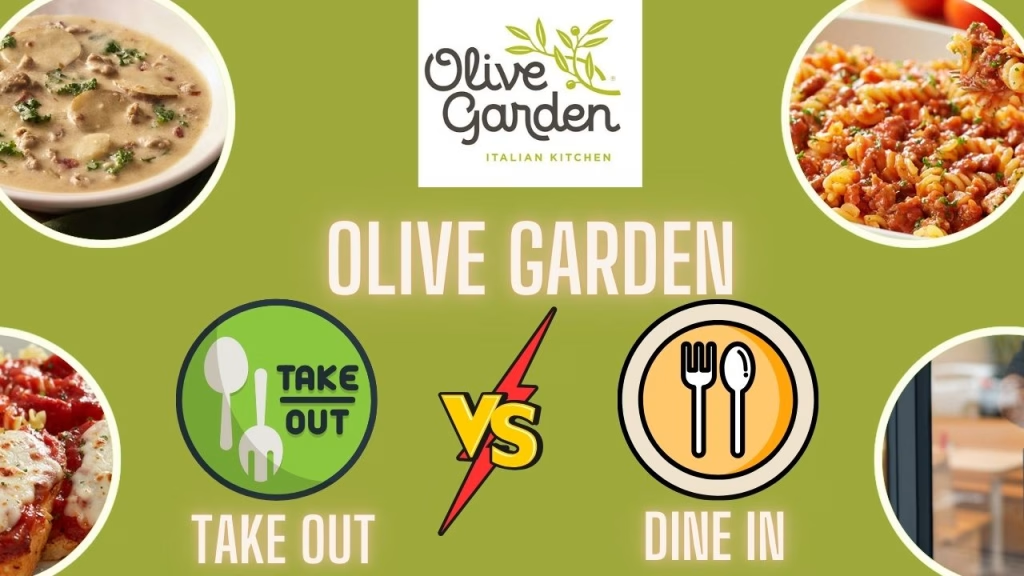
That’s why many people compare Olive Garden takeout vs dine in experience before ordering.
Both options give you access to the full Olive Garden menu, including Chicken Alfredo, pasta dishes, and breadsticks. But the real difference isn’t the food — it’s how the experience changes in terms of freshness, portion feel, and overall value.
This guide breaks down exactly how Olive Garden takeout compares to dining in, so you can decide which option actually fits your situation — whether it’s a quick dinner at home or a full restaurant experience.
What It’s Like to Order Takeout from Olive Garden
Olive Garden takeout is designed for convenience. You can order online or through the app, choose a pickup time, and collect your food without waiting inside the restaurant.
Most locations offer curbside pickup — you park, check in, and your order is brought to your car within minutes.
One advantage is consistency: Olive Garden menu prices stay the same as dine-in, and portion sizes are generally similar for main dishes.
Packaging is also well-structured:
The result is a system that prioritizes speed and practicality over presentation and dining atmosphere.
Quality Breakdown: Dine-In vs. Takeout
There’s no denying that Olive Garden delivers solid flavor whether you eat there or take it home. But once you start paying closer attention, some clear differences in food quality start to stand out — especially when it comes to temperature, texture, and those little details you only notice once you’ve tried both.
Freshness and Temperature
Dine-in meals are served immediately from the kitchen, meaning pasta is hotter, cheese is melted properly, and dishes like Chicken Parmigiana arrive at peak texture.
Takeout meals stay warm, but lose some of that “fresh-off-the-pan” effect during transport.
Texture Differences
Certain items react differently outside the restaurant:
So takeout is strong for pasta — weaker for crispy dishes.
Dining Experience
Dine-in includes:
Takeout removes these extras but adds:
Pasta, Breadsticks, Salad & Value Comparison
Pasta & Sauce Quality
Olive Garden sauces (Alfredo, marinara, meat sauce) generally travel well because they stay stable and don’t separate easily. However, dine-in pasta has a noticeable edge in texture — the noodles stay firmer and the sauce clings better when served immediately. With takeout, the flavor stays intact, but the overall mouthfeel is slightly softer due to steam inside the container.
Breadsticks
Breadsticks are one of the biggest differences between dine-in and takeout. Fresh in the restaurant, they are soft, warm, and coated evenly with garlic butter. In takeout, they retain flavor but lose some texture as they trap steam inside the packaging, making them slightly denser after cooling.
Salad
The Olive Garden salad is consistent in flavor either way, but texture differs slightly. Dine-in salads are served colder and tossed just before serving, while takeout versions are pre-packed, which can make the greens feel less crisp over time. Still fresh — just less “just-made” in texture.
Portion Size & Value Breakdown
Portion sizes remain consistent for main entrées whether you dine in or take out. Dishes like Chicken Parmigiana and Fettuccine Alfredo are not reduced for takeout, which keeps value fair.
The key difference is in extras and service value:
Pricing stays similar, but dine-in feels more valuable due to added service and unlimited sides.
Takeout occasionally feels less complete because items like soup, salad, or breadsticks must be added individually instead of being part of the experience.
| Feature | Takeout | Dine-In |
|---|---|---|
| Food Temperature | Warm | Freshly hot |
| Breadsticks | Slightly softer | Fresh & unlimited |
| Salad | Pre-packed | Freshly tossed |
| Pasta Texture | Slightly softer | Best texture |
| Service | None | Full table service |
| Value Perception | Good | Higher due to extras |
| Convenience | Very high | Moderate |
Best Olive Garden Takeout Items (Ranked by Performance)
1. Fettuccine Alfredo
Holds sauce consistency well and reheats without breaking texture.
2. Lasagna Classico
One of the most stable items for takeout. Layers stay intact and flavor deepens after resting.
3. Chicken Parmigiana
Flavor remains strong, but crisp coating softens during transport.
4. Soups (Zuppa Toscana, Pasta e Fagioli)
Best-performing category for takeout. Heat and flavor hold well in sealed containers.
Items That Don’t Travel Well
Fried Foods (Calamari, Mozzarella Sticks)
Lose crispness quickly due to trapped steam.
Seafood Alfredo
Flavor holds, but seafood texture can overcook slightly during transport.
Breadsticks
Still good, but noticeably less soft compared to dine-in due to heat loss.
Practical Ordering Tip
If ordering takeout, prioritize:
Avoid relying on:
These choices consistently perform better outside the restaurant environment.
Final Verdict:
Olive Garden takeout is a strong option when convenience matters. It delivers consistent flavor, reliable portions, and easy ordering without sacrificing the core experience of their menu.
However, dine-in still offers a more complete version of the meal — mainly due to unlimited breadsticks, fresher textures, and table service.
In simple terms:
Takeout = convenience + solid food quality
Dine-in = full experience + better value perception
Both work well — the choice depends on whether you prioritize comfort at home or the full restaurant experience.

Marco Bellini writes about restaurant menus, pricing trends, limited-time specials, and changing dining habits across the United States. His work focuses on how major restaurant chains adjust their menus, portion sizes, seasonal promotions, and customer experience strategies over time.
Rather than approaching restaurants from a chef’s perspective, Marco studies them from a consumer and industry angle. He follows menu updates, pricing shifts, online customer discussions, promotional campaigns, and dining trends that influence where people choose to eat.
Over the years, he has covered topics related to casual dining chains, value-focused restaurant options, family dining behavior, and restaurant marketing trends. His articles are designed to help readers understand what restaurants are offering, how pricing compares, and what diners can realistically expect before visiting.
His editorial approach focuses on clarity, accuracy, and practical information instead of exaggerated reviews or promotional language.