Olive Garden Delivery Guide: Everything You Need to Know Before Ordering

Ordering Olive Garden delivery has become one of the easiest ways to enjoy popular menu items like Chicken Alfredo, Tour of Italy, Lasagna Classico, and unlimited breadsticks without visiting the restaurant. Whether you’re planning a family dinner, ordering lunch at work, or simply craving Italian comfort food at home, delivery gives you access to much of the Olive Garden menu with just a few clicks.
Before placing an order, however, there are a few important details worth knowing. Delivery availability varies by location, fees can differ depending on the delivery provider, and some ordering restrictions may apply. Understanding how Olive Garden delivery works can help you avoid unexpected charges, reduce wait times, and choose menu items that travel well.
In this guide, I’ll cover everything you need to know about Olive Garden delivery, including delivery fees, minimum order requirements, available ordering methods, the best foods to order for delivery, and tips for getting the most value from your order.
If you’re looking for updated dishes, combos, and pricing, our complete Olive Garden menu prices page covers everything in detail.
How Olive Garden Delivery Works
Olive Garden delivery is available through the restaurant’s website and third-party delivery services in many locations. Customers can place an order online, enter their address, and view available delivery options in their area.
Depending on the location, orders may be fulfilled by delivery partners such as Uber Eats, DoorDash, or other local delivery services. Delivery fees, service charges, and estimated delivery times can vary based on distance and demand.
Best Olive Garden Menu Items for Delivery
Some Olive Garden menu items travel better than others during delivery. Pasta dishes such as Chicken Alfredo, Five Cheese Ziti al Forno, Lasagna Classico, and Spaghetti with Meat Sauce typically maintain their texture and temperature well during transport.
Soups like Zuppa Toscana and Chicken & Gnocchi Soup are also popular delivery choices because they remain flavorful even after travel time. Many customers also add breadsticks and family-style meals when ordering for groups.
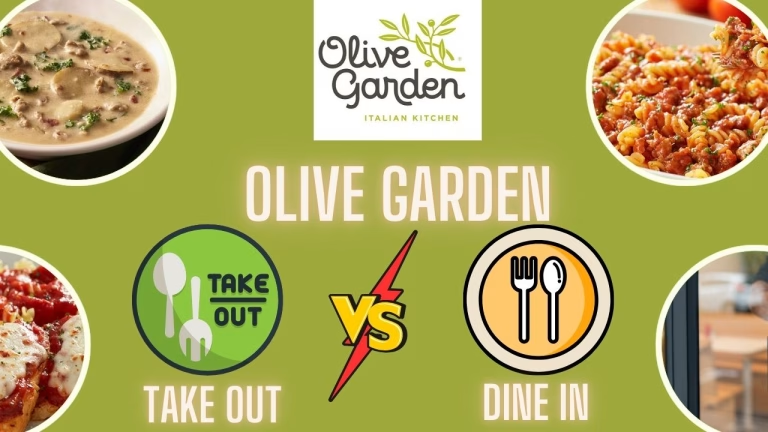
Olive Garden Delivery vs Takeout
For customers who live close to a restaurant, takeout may be the more affordable option because it avoids delivery fees and service charges. Delivery provides added convenience, while pickup often results in lower overall costs and shorter wait times.
Customers comparing Olive Garden delivery vs pickup should consider order size, distance from the restaurant, and current delivery promotions.
Delivery Fees and Charges
The total cost of an Olive Garden delivery order may include more than just the menu price. Depending on your location and delivery provider, you may see delivery fees, service fees, taxes, and optional driver tips added during checkout.
These charges can vary based on order size, delivery distance, and local market conditions. Before completing your order, review the final checkout screen to understand the full cost of delivery.
Minimum Order Requirements
Some Olive Garden delivery orders may be subject to minimum purchase requirements depending on location and delivery provider. This is usually not an issue for customers ordering entrées, soups, salads, or family meals, but smaller orders may not qualify for delivery in certain markets.
If you’re placing a small order, consider adding a side dish, appetizer, or dessert to meet any applicable minimum purchase threshold. Requirements can vary by location, so always check the ordering page before checkout.
Delivery Availability by Location
Before you start planning your pasta night, it’s worth checking if delivery is actually available in your area. While many Olive Garden locations offer delivery, not all of them do — and availability can change depending on the time of day, your zip code, and even local delivery partners.
The best way to find out? Enter your address on Olive Garden’s website or through your favorite delivery app. If delivery isn’t available, you’ll likely still see the To Go option, which allows you to place an order online and pick it up yourself — still convenient, especially if you live nearby.
Also, keep in mind that delivery times fluctuate. Friday nights and weekends tend to be busier, which might mean longer waits. And if you’re in a more rural area, delivery windows could be more limited than in cities. So if you’re aiming for dinner at 7, it’s smart to place your order a little early — just to be safe.
A quick search like Olive Garden delivery near me should also help confirm local options. And once you find a location that delivers to you, you’re set for as many lazy pasta nights as you like
Conclusion
Olive Garden delivery makes it easy to enjoy popular menu items like Chicken Alfredo, Tour of Italy, Lasagna Classico, soups, salads, and breadsticks without visiting the restaurant. Before ordering, it’s worth checking delivery availability, fees, estimated wait times, and minimum order requirements in your area.
Whether you’re ordering dinner for the family or a quick lunch for yourself, understanding how Olive Garden delivery works can help you avoid surprises and get the best value from your order. With the right menu choices and a little planning, enjoying Olive Garden at home can be just as satisfying as dining in.
Frequently Asked Questions About Olive Garden Delivery

Marco Bellini writes about restaurant menus, pricing trends, limited-time specials, and changing dining habits across the United States. His work focuses on how major restaurant chains adjust their menus, portion sizes, seasonal promotions, and customer experience strategies over time.
Rather than approaching restaurants from a chef’s perspective, Marco studies them from a consumer and industry angle. He follows menu updates, pricing shifts, online customer discussions, promotional campaigns, and dining trends that influence where people choose to eat.
Over the years, he has covered topics related to casual dining chains, value-focused restaurant options, family dining behavior, and restaurant marketing trends. His articles are designed to help readers understand what restaurants are offering, how pricing compares, and what diners can realistically expect before visiting.
His editorial approach focuses on clarity, accuracy, and practical information instead of exaggerated reviews or promotional language.